Optimize Natural Light: How Rooflights Can Transform Your Space
Enhancing natural light with the addition of rooflights presents a range of advantages. Evidence suggests that heightened access to daylight can boost mood and productivity. Moreover, rooflights can lead to significant energy savings by cutting back on artificial lighting. That said, key design factors and potential obstacles must be addressed. Recognizing these elements is vital for those considering such an installation. Moving forward could highlight remarkable opportunities for residential and commercial properties alike.
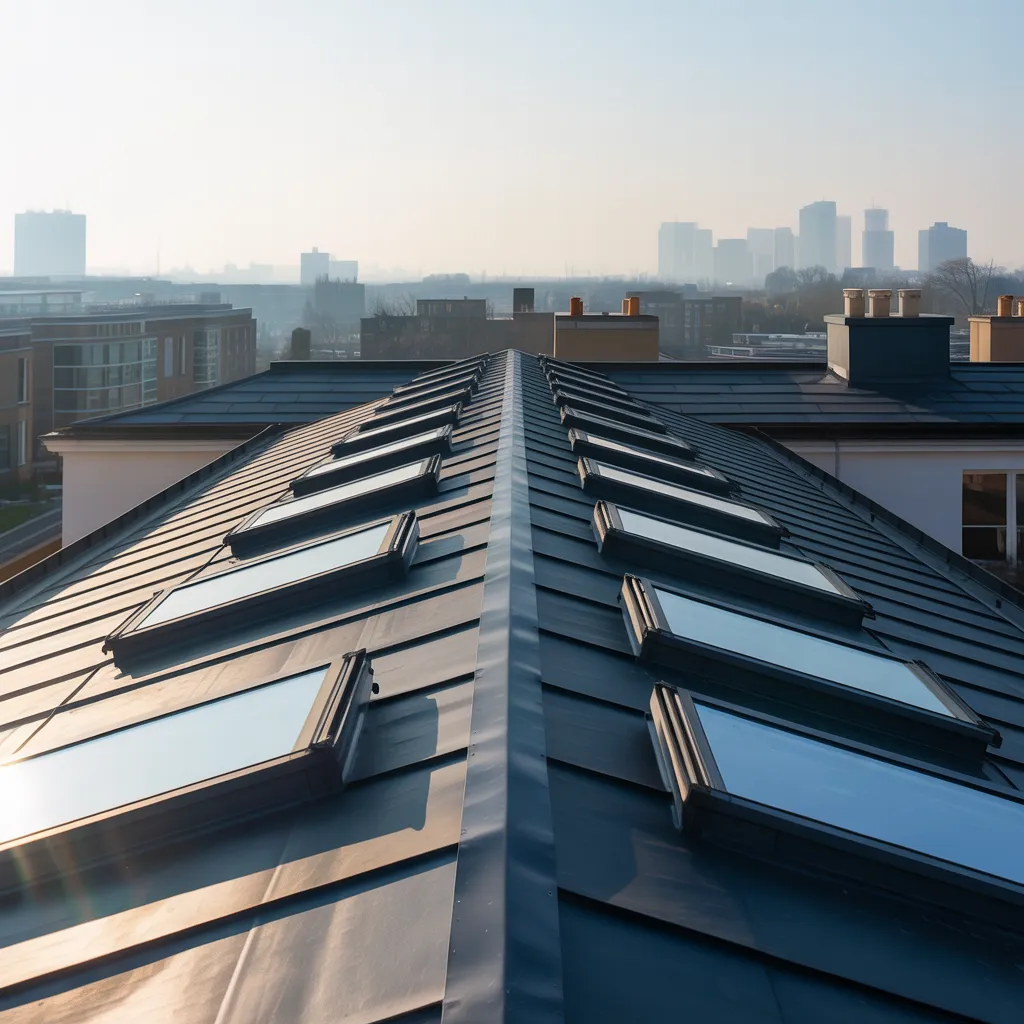
The Truth Behind Natural Light and Well-Being
Natural light has a significant impact on boosting human well-being, as studies show that natural sunlight exposure can enhance mood and mental performance. Research demonstrates that natural light affects the body's production of serotonin, a hormone connected to positive mood and mental clarity. Higher levels of exposure can contribute to diminished symptoms of depression and anxiety, promoting a healthier mental outlook.
Moreover, sunlight regulates circadian rhythms, which are critical for sustaining healthy sleep cycles. Proper sleep, in turn, promotes general physical health and emotional resilience.
In workplaces and homes, natural light has been connected to enhanced productivity and creative thinking, as individuals feel more energized and motivated. The ambiance created by natural light can also enhance social interactions, encouraging a spirit of unity and relationship-building. Overall, the integration of natural light into daily environments plays a vital role in supporting wellness and improving overall life quality.

How Rooflights Increase Energy Efficiency
Harnessing natural light with rooflights not only improves interior living conditions but also considerably contributes to reduced energy consumption. By enabling sunlight to penetrate deeper into spaces, rooflights can reduce the demand on artificial lighting during the day. This natural illumination decreases energy consumption, resulting in decreased utility bills. Additionally, many current rooflights are designed with energy-efficient glazing, which can help regulate indoor temperatures. By limiting heat loss in winter and limiting heat gain in summer, these installations provide a more comfortable living environment while lowering heating and cooling demands. The strategic positioning of rooflights can also promote cross-ventilation, further enhancing air quality and decreasing the need for mechanical ventilation systems. Overall, integrating rooflights into architectural designs not only illuminates interiors but plays an essential role in fostering a more eco-friendly and energy-conscious home.
Creative Approaches to Rooflight Installation Design
Transforming spaces with rooflights can enhance both the aesthetic quality and functional value in all types of architectural design. Architects and designers are progressively adopting rooflights in forward-thinking approaches to maximise natural light and produce compelling visual features. To illustrate this, a series of sequential rooflights can outline corridors, directing attention along a route while filling the area with abundant light.
Within living areas, large-format rooflights can function as impressive design elements, providing sweeping views of the sky above. Furthermore, pairing rooflights with skylight shades can generate adaptable spaces that respond to shifting light conditions across the day.
Within kitchens and dining spaces, carefully positioned rooflights can light up workspaces while improving the mood during dining experiences. Moreover, embedding rooflights into living roofs encourages indoor plant growth by maximizing sunlight exposure. Such innovative design concepts not only support sustainable energy use but also turn routine spaces into dynamic, discover now appealing settings that honor the magnificence of natural light.
How to Choose the Best Rooflight for Your Needs
Picking the ideal rooflight necessitates thorough consideration of numerous factors. It is important to assess spatial needs, evaluate energy-saving possibilities, and determine the right glass type to secure peak performance and aesthetics. All of these factors plays a vital role in boosting both functionality and comfort within the space.
Evaluate Your Space Needs
Evaluating space requirements is crucial when choosing a rooflight, as it directly impacts both practicality and visual appeal. Assess the dimensions of the room where the rooflight will be fitted, including overhead clearance and current architectural features. A larger rooflight can create a more dramatic effect and improve light distribution, but it may not be ideal for limited rooms. Moreover, the roof gradient and positioning are key factors in identifying the best fit and location. It is also important to factor in any obstacles, such as structural protrusions or nearby foliage, that could reduce daylight penetration. Reviewing these factors will confirm that the chosen rooflight effectively complements the space while achieving the required light and style requirements.
Consider Energy Efficiency Options
When picking a rooflight, energy efficiency options should be a top priority, as they can greatly impact both comfort and utility costs. Residents should look into aspects such as thermal insulation ratings and eco-friendly framing materials. Rooflights with high energy ratings minimize heat loss in winter and reduce heat gain in summer, encouraging a consistent indoor environment. Additionally, choosing models with low U-values can enhance overall efficiency, providing minimal energy expenditure. It is essential to evaluate the rooflight's positioning to maximize natural light while minimizing reliance on artificial lighting. By emphasizing energy efficiency, residents can build a sustainable space that aligns with their lifestyle while lowering long-term energy expenditure. Ultimately, thoughtful selections translate into enhanced comfort and meaningful cost reductions.
Determine the Proper Glass Type
Choosing the correct glass option for rooflight installations greatly influences both functionality and aesthetics. Various options, such as double-glazed, triple-glazed, and laminated glass, provide unique benefits. Double glazing offers superior insulation and reduces heat loss, while triple glazing enhances thermal performance, making it perfect for cooler environments. Laminated glass, on the other hand, offers improved security and noise reduction, which is particularly advantageous in built-up areas.
Furthermore, selecting low-emissivity (Low-E) glass can limit ultraviolet radiation and glare, preventing interior fading. Consideration of safety specifications, as well as the capacity of the glass to withstand impact or extreme weather, is equally important. At the end of the day, opting for the right glass option guarantees that rooflight units address specific requirements while enhancing overall comfort and aesthetic appeal.
Frequent Issues and Answers for Rooflight Installations
Even though rooflight installations deliver notable benefits, including improved natural light and greater energy efficiency, certain issues may emerge throughout the process. A prevalent problem is the potential for leaks, typically caused by incorrect installation or insufficient sealing. To prevent this, working with qualified professionals and selecting superior materials is vital.
Another concern is heat gain during the warmer months, which can result in elevated energy bills for cooling. This can be mitigated by opting for high-performance glass solutions or integrating external shade installations.
Furthermore, householders may be anxious about structural integrity. Making sure the roof is capable of bearing the extra weight of rooflights is vital, often making it necessary to consult a structural engineer.
Additionally, privacy problems might emerge when rooflights face toward neighboring properties. Strategically placing rooflights or choosing privacy glass can alleviate this challenge. By dealing with these matters in advance, property owners can benefit from the total benefits of rooflight integration.
How to Maintain Your Rooflights in Top Condition
Caring for rooflights necessitates a regular cleaning schedule to stop unwanted dirt and debris from collecting. In addition, routine examination of the seals can aid in spotting leaks or potential damage before they escalate into costly repairs. Such measures ensure that rooflights continue to be both functional and visually pleasing over time.
Standard Cleaning Schedule
Maintaining a regular cleaning routine is vital for maintaining the performance and transparency of rooflights. Routine maintenance not only improves the visual appearance but also ensures optimal natural light transmission. Grime, particles, and debris may build up gradually, blocking light and risking harm to the rooflight surface. Rooflights should ideally be cleaned a minimum of twice annually, with extra attention following harsh weather conditions. Using a soft cloth and a mild, non-abrasive cleaner can effectively remove grime without scratching the surface. Residents should remain mindful of nearby areas to stop overgrown foliage or external obstructions from reducing light entry. Following a consistent maintenance schedule will extend the longevity of rooflights and sustain their effectiveness in brightening indoor areas.
Check Seals Regularly
Routine cleaning is beneficial for rooflights, yet an equally important factor is the scheduled inspection of seals. Seals are fundamental in preventing water penetration and supporting energy efficiency. Over time, environmental factors can cause seals to degrade, leading to leaks and increased energy costs. It is advisable to inspect the seals at least twice a year, particularly after severe weather events. Any indications of deterioration, including cracks or gaps, must be dealt with quickly to prevent more serious problems. Expert evaluations can offer valuable information about the state of the seals and suggest appropriate repairs or replacements. Through consistent seal inspections, homeowners are able to maximize the longevity of their rooflights and sustain a comfortable living environment.
Inspiring Success Stories of Rooflight Installations
Although numerous property owners might be reluctant to invest in rooflight installations, many success stories highlight their transformative effect on both residential and commercial spaces. A particularly compelling example involves a London-based café which, following the installation of rooflights, reported a 30% increase in customer footfall due to the enhanced natural lighting. This not only improved the ambiance but also boosted sales considerably.
In a residential setting, a family in a suburban home fitted rooflights throughout their kitchen and living room. The result was a brighter, more inviting space that promoted quality family time and boosted the market value of their home.
Moreover, a business premises in Manchester noted a significant improvement in staff morale and productivity after integrating rooflights into their workspace. These real-world cases emphasise the value and versatility of rooflight solutions, showing that they can transform both functionality and aesthetic appeal across diverse spaces.
Answers to Your Most Common Questions
What Kinds of Rooflights Can Be Found for Various Building Styles?
Various rooflight types include flat, pyramid, and domed styles, each suited for different architectural styles. Lanterns are often preferred for traditional buildings, while modern buildings frequently select clean, minimalist skylights to elevate visual appeal and practical performance.
Can Rooflights Be Added to Already Built Structures?
Absolutely, rooflights can be added in established properties. Skilled experts examine the property's layout and stability, ensuring proper integration without affecting aesthetics or structural stability, allowing for greater sunlight in various settings.
In What Ways Do Rooflights Influence Indoor Plant Growth?
Roof windows considerably boost indoor plants' flourishing by amplifying natural light absorption. This increased brightness boosts photosynthesis, leading to stronger plant growth, vibrant foliage, and improved blooming capacity, ultimately fostering a more supportive atmosphere for indoor gardening.
Are There Specific Building Regulations for Rooflight Installations?
Precise building regulations for roof window installations vary by location, commonly focusing on structural integrity, safety, and energy efficiency. Following local building codes guarantees proper installation, minimizing risks and enhancing the overall performance of the building.
What Maintenance Expenses Are Involved With Rooflights?
Maintenance expenses for rooflights generally consist of periodic cleaning, resealing, and swapping out deteriorated parts. Annual maintenance costs typically fall between one hundred and three hundred dollars, subject to the type, size, and accessibility of the rooflight installation.